Integrating CRM with SAP and Oracle ERP systems isn’t just a tech upgrade—it’s a game-changer for business efficiency. Let’s dive into how this integration can supercharge your operations.
Daftar Isi:
Understanding CRM with SAP and Oracle ERP System Integration

The integration of Customer Relationship Management (CRM) systems with Enterprise Resource Planning (ERP) systems like SAP and Oracle allows organizations to streamline operations, improve customer service, and enhance data visibility across departments.
What is CRM and ERP?
CRM systems manage customer interactions, sales, and service operations, while ERP systems handle core business processes such as finance, supply chain, and human resources. Combining these systems creates a unified platform for end-to-end business management.
Why Integrate CRM with SAP and Oracle ERP?
- Improved Data Accuracy
- Enhanced Customer Insights
- Streamlined Workflows
“When CRM and ERP systems are integrated, businesses can eliminate data silos and make more informed decisions.” — Gartner Research
Key Benefits of Integration
- Real-time data synchronization
- Improved operational efficiency
- Better customer experience
Architecture and Design Considerations
Designing a reliable and scalable integration between CRM and ERP systems requires a well-thought-out architecture that ensures data consistency and system performance.
Choosing the Right Integration Architecture
- Point-to-Point Integration
- Middleware-Based Integration
- API-Led Connectivity
Data Mapping and Transformation
Data from CRM and ERP systems often differ in structure and format. Mapping data fields and transforming formats are crucial for seamless integration.
Security and Compliance
- Data encryption in transit and at rest
- Role-based access controls
- Compliance with GDPR, HIPAA, etc.
Integration Tools and Platforms
Several tools and platforms are available to facilitate CRM with SAP and Oracle ERP system integration. Choosing the right tool depends on your business needs, budget, and technical capabilities.
Popular Integration Tools
- Mulesoft
- Informatica
- Jitterbit
- Microsoft Power Automate
Cloud-Based vs On-Premise Integration
Cloud-based integration offers scalability and flexibility, while on-premise solutions provide more control and security.
Custom vs Pre-Built Connectors
- Custom connectors for unique business processes
- Pre-built connectors for rapid deployment
Use Cases and Industry Applications
CRM and ERP integration serves various industries, each with unique use cases that demonstrate the versatility and impact of a unified system.
Retail and E-commerce
- Personalized customer experiences
- Real-time inventory updates
- Automated order processing
Manufacturing
- Streamlined supply chain management
- Forecasting and demand planning
- Customer service efficiency
Financial Services
- Client account management
- Automated compliance reporting
- Enhanced customer communication
Challenges in CRM and ERP Integration
Despite the benefits, integrating CRM with SAP and Oracle ERP systems presents several challenges that must be addressed for a successful deployment.
Data Silos and Inconsistencies
- Duplicate records
- Inconsistent data formats
- Manual data entry errors
Technical Complexity
- Legacy system compatibility
- API limitations
- Complex data workflows
Cost and Resource Constraints
- High implementation costs
- Limited IT resources
- Ongoing maintenance requirements
Best Practices for Implementation
Following best practices can ensure a smooth integration process and maximize the ROI of your CRM and ERP systems.
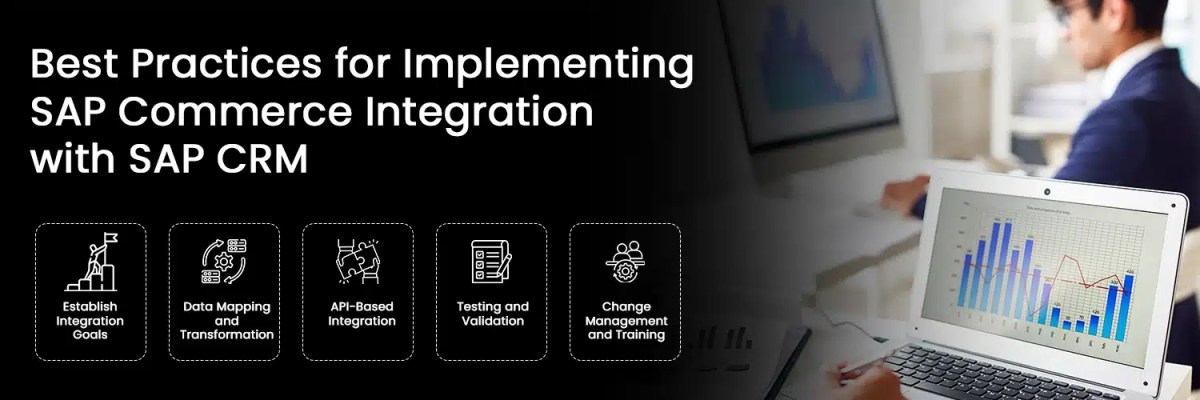
Define Clear Objectives
- Align integration goals with business strategy
- Set measurable KPIs
Engage Stakeholders Early
- Involve IT, sales, finance, and customer service teams
- Gather cross-functional requirements
Test and Monitor Regularly
- Conduct thorough testing before go-live
- Implement monitoring tools for performance and errors
Future Trends in CRM and ERP Integration
Emerging technologies are shaping the future of CRM with SAP and Oracle ERP system integration, making it more intelligent and automated.
Artificial Intelligence and Machine Learning
- Predictive analytics for customer behavior
- Intelligent automation of workflows
IoT and Real-Time Data
- IoT devices feeding data into ERP systems
- Real-time updates for CRM insights
Low-Code/No-Code Integration Platforms
- Faster deployment
- Reduced dependency on developers
Case Studies: Successful CRM and ERP Integrations
Real-world examples highlight the transformative power of integrating CRM with SAP and Oracle ERP systems.
Case Study 1: Global Retailer
- Reduced order processing time by 40%
- Improved customer satisfaction scores
Case Study 2: Manufacturing Enterprise
- Automated supply chain workflows
- Integrated CRM data with production planning
Case Study 3: Financial Institution
- Enhanced client onboarding process
- Streamlined compliance checks
What is the main benefit of integrating CRM with ERP systems?
It provides a unified view of customer and business data, enabling better decision-making and operational efficiency.
Can SAP and Oracle ERP systems work with any CRM?
Yes, most modern CRM platforms offer connectors or APIs that support integration with SAP and Oracle ERP systems.
Is cloud integration better than on-premise?
Cloud integration offers more flexibility and scalability, but on-premise may be preferred for security and compliance reasons.
How long does integration typically take?
Implementation timelines vary based on complexity but typically range from 3 to 12 months.
What are the costs involved?
Costs include software licenses, integration tools, developer resources, and ongoing maintenance.
Integrating CRM with SAP and Oracle ERP systems is a strategic move that drives digital transformation. With the right tools, practices, and vision, businesses can unlock new levels of efficiency, customer satisfaction, and growth.
Recommended for you 👇
Further Reading:
Orang juga bertanya
- None Found